
Divine Meditech Signs Technology Partnership with CSIR-CEERI to Advance Indigenous Medical Innovation
Strategic technology collaboration to advance indigenous medical innovation under the Government of India's Make in India initiative.
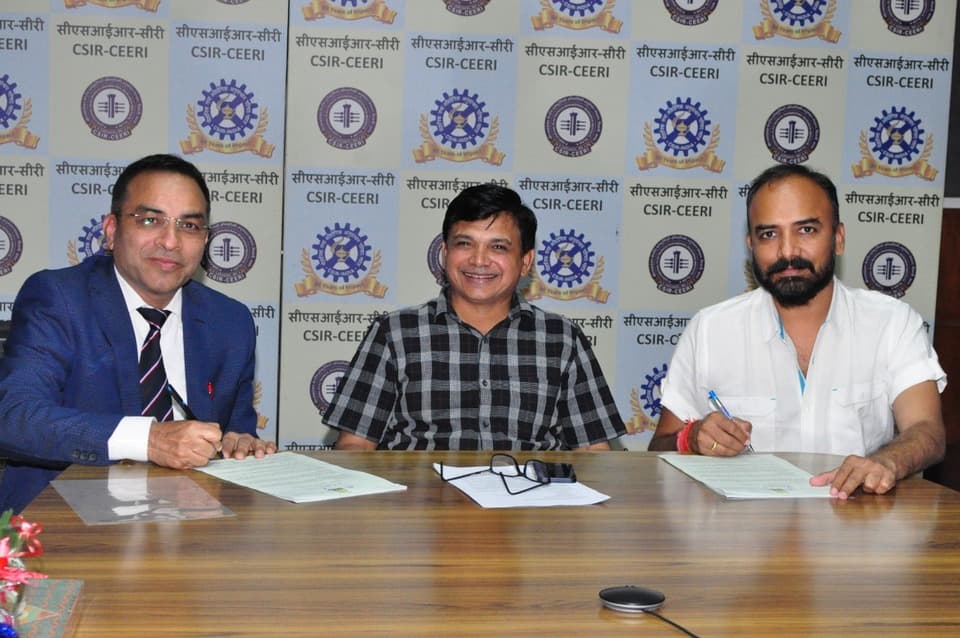
NOIDA, India — Divine Meditech Private Limited has entered into a strategic technology collaboration with CSIR–Central Electronics Engineering Research Institute (CSIR-CEERI), Pilani, strengthening its commitment to developing world-class medical technologies under the Government of India's Make in India initiative.
The collaboration focuses on accelerating the commercialization of advanced healthcare technologies developed through indigenous research, enabling affordable, high-quality medical devices for hospitals and healthcare professionals across India.
First Major Outcome: IoT-Enabled Colposcope
The first major outcome of this collaboration is the successful technology transfer of an IoT-enabled Handheld Video Colposcope, a portable diagnostic device designed for early cervical cancer screening. The solution combines advanced optics, cloud connectivity, AI-assisted clinical workflows, and smartphone integration, making specialized diagnostics accessible even in resource-constrained environments.
"Innovation becomes meaningful only when it reaches the clinician and improves patient care. Our collaboration with CSIR-CEERI enables us to transform advanced research into scalable medical solutions manufactured in India for the world."
The partnership reflects the shared vision of both organizations to bridge cutting-edge scientific research with large-scale manufacturing capabilities, ultimately improving healthcare accessibility while reducing dependence on imported medical technologies.
As part of its long-term R&D roadmap, Divine Meditech will continue working closely with premier research institutions to accelerate the development of next-generation imaging systems, AI-enabled diagnostics, and minimally invasive surgical technologies.